Q.1.
A camel has thick skin to ______.
-
0%
look shiny, beautiful and be noticeable in the desert
-
0%
protect itself from extreme heat
-
0%
store water and prevent itself from sweating
-
0%
prevent feeling the pain while carrying heavy loads
Q.2.
If a whale becomes an amphibian one day, which of the following changes will occur?
-
0%
It will breathe using lungs.
-
0%
Its skin will become waterproof.
-
0%
It will eat small fishes.
-
0%
Its fins will turn into webbed feet.
Q.3.
Feathers are to birds what scales are to _____.
-
0%
bats
-
0%
turtle
-
0%
monkey
-
0%
fish
Q.4.
Birds can fly easily because they have __________.
-
0%
streamlined bodies
-
0%
light and hollow bones
-
0%
body feathers
-
0%
all of the above
Q.5.
Shreya plucks a lotus plant from a pond near her house. She observes that it has a long hollow stem. Can you explain the function of the stem?
-
0%
To help leaves float on water
-
0%
To absorb soil
-
0%
To fix the plant to the bottom of the soil
-
0%
To make the flower beautiful
Q.6.
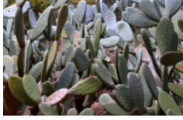
In this plant, photosynthesis occurs in the _______.
-
0%
leaves
-
0%
spines
-
0%
roots
-
0%
stem
Q.7.
Which term means ‘adjustment to environment’?
-
0%
Adaptation
-
0%
Mimicry
-
0%
Hibernation
-
0%
Aestivation
Q.8.
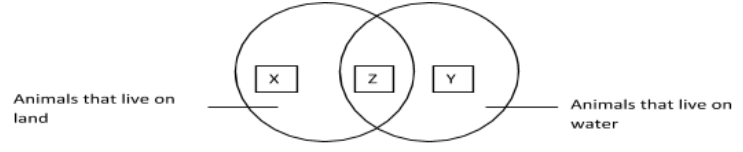
Which animal can be placed in group Z?
-
0%
Bird
-
0%
Frog
-
0%
Shark
-
0%
Dog
Q.9.
Plants in hilly areas have to bear high speed winds and cold. Which of the following adaptations best helps them face the above conditions?
-
0%
Having lots of branches and leaves.
-
0%
Tall and straight trunk with needle like leaves.
-
0%
Leaves which are modified into spines.
-
0%
Breathing roots which come above the ground
Q.10.
Ramu brought a plant with thick branches and leaves from the plains, and planted it in a marshy area. What must the new plant do to survive in its new environment?
-
0%
It must change its colour in its new environment.
-
0%
It must change its leaves into spines to reduce the loss of water.
-
0%
It must start trapping insects and eat them.
-
0%
It must develop breathing roots to get more air.
Q.11.
Choose the odd one outFish, Octopus, Frog, Dolphin
-
0%
Fish
-
0%
Octopus
-
0%
Frog
-
0%
Dolphin
Q.12.
When we dip our finger in water, the skin on the finger gets wrinkled. However, the skin of fish does not get wrinkled though their habitat is water because _____.
-
0%
their bodies are streamlined
-
0%
of the presence of scales
-
0%
of the presence of fins
-
0%
of the presence of gills
Q.13.
How do frogs breathe?
-
0%
Through moist skin.
-
0%
Through lungs on land and through moist skin in water.
-
0%
Through moist skin on land and through lungs in water.
-
0%
Through lungs only.
Q.14.
Identify the plant whose roots hangs in air & absorb moisture from the atmosphere.
-
0%
Duckweed
-
0%
Orchid
-
0%
Tape grass
-
0%
Dodder
Q.15.
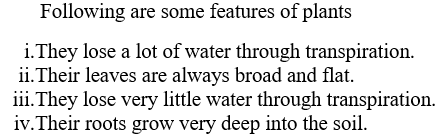
Which combination of the above features are typical of desert plants?
-
0%
(i) & (ii)
-
0%
(ii) & (iv)
-
0%
(ii) & (iii)
-
0%
(iii) & (iv)
Q.16.
Parasitic plants have special structure which penetrate the stem or branch to obtain nutrition known as _______.
-
0%
pneumatophore
-
0%
haustoria
-
0%
spongy root
-
0%
cuscuta
Q.17.
Ben comes across an animal having a streamlined and slippery body. What is the habitat of the animal?
-
0%
Water
-
0%
Desert
-
0%
Grassland
-
0%
Mountain
Q.18.
Which of these plants is usually weak-stemmed with numerous air spaces and very thin long and waxy coated leaves?
-
0%
Mesophytes
-
0%
Xerophytes
-
0%
Bryophytes
-
0%
Hydrophytes
Q.19.
Which part of a camel will shrink in size when there is no food for a long time and retain its size when food is available?
-
0%
Rough tongue
-
0%
Long eyelashes
-
0%
Hump
-
0%
Neck
Q.20.
1.Animal which has a webbed feet
-
0%
lion
-
0%
koala
-
0%
duck
-
0%
bat
Q.21.
Identify the animal that sleep through the winter months.
-
0%
Bear
-
0%
Human
-
0%
Cat
-
0%
Sheep
Q.22.
Birds have hollw bones which is light weight
-
0%
True
-
0%
False
Q.23.
Choose the odd one outSeal, Penguin, Polar bear, Lizard
-
0%
Seal
-
0%
Penguin
-
0%
Polar bear
-
0%
Lizard
Q.24.
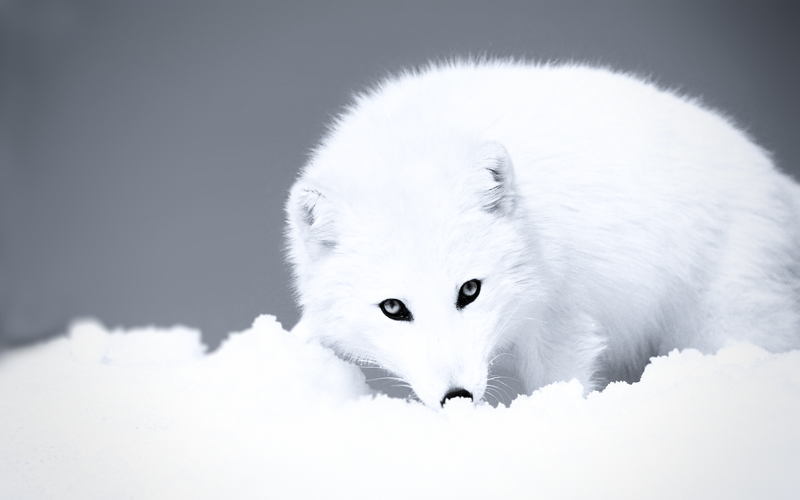
An inherited trait that helps those organisms that have it to survive
-
0%
niche
-
0%
structure
-
0%
characteristic
-
0%
adaptation
Q.25.
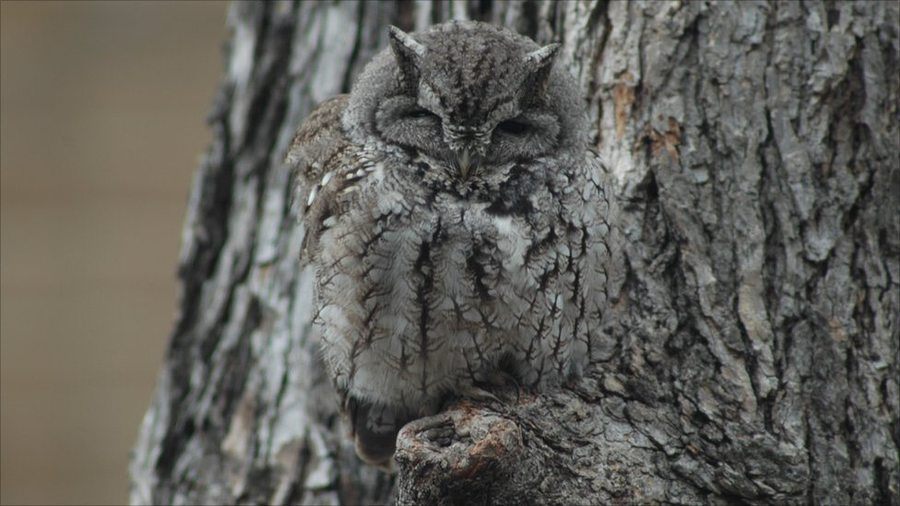
Which feature helps an animal hide from other animals?
-
0%
looking like a dangerous animal
-
0%
being the same color as the place it lives (camoflauge)
-
0%
having sharp claws or a strong shel
-
0%
having only a few young and caring for them
Q.26.
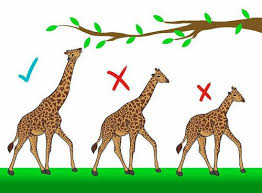
A giraffe has a long neck in order to better reach leaves to eat. This is an example of _____.
-
0%
an adaptation
-
0%
environment
-
0%
response
-
0%
stimulus
Q.27.
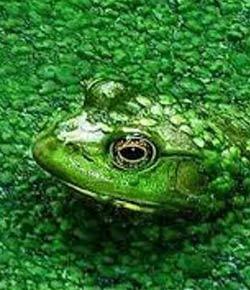
How do adaptations help animals?
-
0%
To escape animals
-
0%
to hunt for food
-
0%
to survive in their habitats
-
0%
All of these are correct
Q.28.
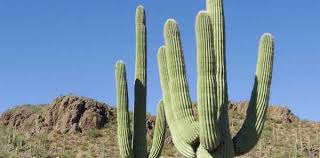
Plants with spines and waxy leaves are well suited for life in which environment?
-
0%
Desert
-
0%
Temperate forest
-
0%
Grassland
-
0%
Tropical Rainfroest
Q.29.
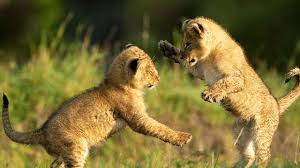
Adaptation that refers to how an organism behaves and how interacts with other.
-
0%
adaptations
-
0%
mimicry
-
0%
behavioral
-
0%
camouflage
Q.30.
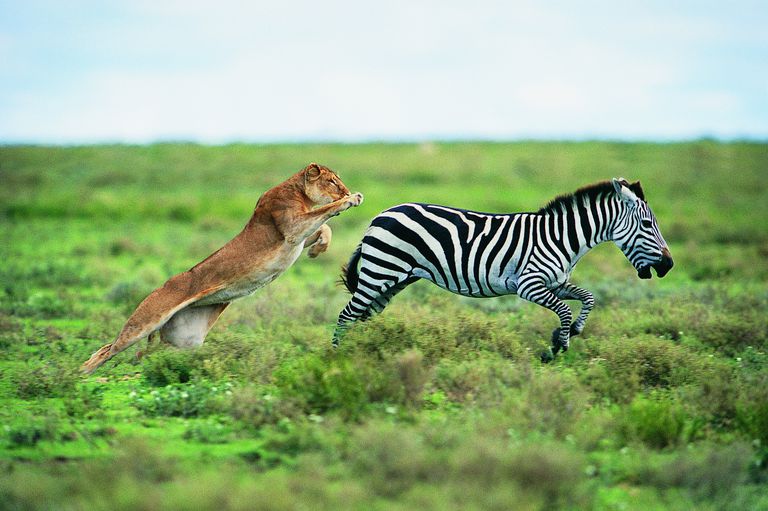
An organism that hunts and feeds on another organism is a ______________________.
-
0%
prey
-
0%
producer
-
0%
predator
-
0%
decomposer
Q.31.
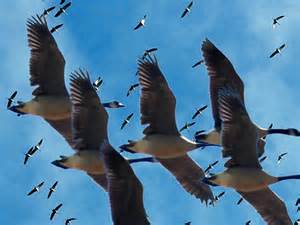
The seasonal movement of an organism from one place to another
-
0%
camouflage
-
0%
migration
-
0%
hibernation
-
0%
function
Q.32.
Desert plants have special structures that help them collect and store water. These structures are most beneficial in-
-
0%
wet climates
-
0%
dry climates
-
0%
windy climates
-
0%
humid climates
Q.33.
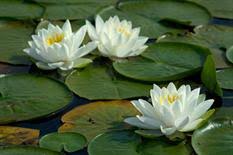
Water lilies live in lakes and ponds. It is an example of
-
0%
Free floating plant
-
0%
Fixed plant
-
0%
Submerged plant
Q.34.
Identify the picture
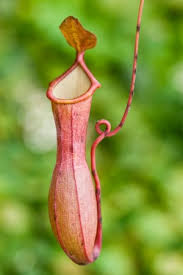
-
0%
sundew
-
0%
Venus flytrap
-
0%
pitcher plant
Q.35.
Leaves of underwater plants do not have stomata. One example of such a plant is....
-
0%
Lotus
-
0%
Hyacinth
-
0%
Hydrilla
-
0%
Water lettuce
Q.36.
Plants that grow in water
-
0%
Terrestrial plants
-
0%
Aquatic plants
-
0%
Aerial plants
Q.37.
The trees that do not shed their leaves are called
-
0%
Deciduous trees
-
0%
Evergreen trees
-
0%
Xerophytes
Q.38.
Mangrove trees have this feature
-
0%
Stilt roots
-
0%
Breathing roots
-
0%
Both 1 and 2
-
0%
None
Q.39.
Plants that grow on land are called______
-
0%
Aquatic
-
0%
Terrestrial
-
0%
Habitat
-
0%
Mangrove
Q.40.
An example for plants growing on coastal areas.
-
0%
Mango tree
-
0%
Pine tree
-
0%
Coconut tree
-
0%
Fir tree
Q.41.
Trees that have cones are called
-
0%
coniferous trees
-
0%
deciduous tree
-
0%
evergreen tree
-
0%
mangrove tree
Q.42.
Animals that live on land
-
0%
Terrestrial animals
-
0%
Aquatic animals
-
0%
Aerial animals
Q.43.
Fish breathes through gills
-
0%
True
-
0%
False
Q.44.
Camels store excess amount of food in their
-
0%
Humps
-
0%
Stomach
-
0%
Legs
Q.45.
Plant eating animals are called
-
0%
Herbivores
-
0%
Carnivores
-
0%
Omnivores
Q.46.
Fish, dolphins are
-
0%
Terrestrial animals
-
0%
Aquatic animals
-
0%
Aerial animals
Q.47.
Lions are adapted to living in
-
0%
Rainforest
-
0%
Desert
-
0%
Grasslands
Q.48.
A Polar bear has thick white fur which helps it blend into the snow and also stay_________________.
-
0%
cool
-
0%
warm
Q.49.
Pine tree is _______________ shaped
-
0%
needled
-
0%
cone
-
0%
cylinder
-
0%
square
Q.50.
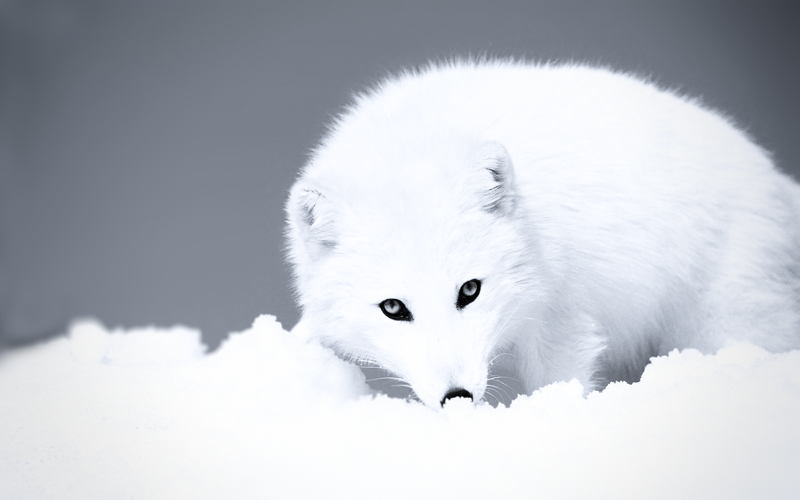
An inherited trait that helps those organisms that have it to survive
-
0%
niche
-
0%
structure
-
0%
characteristic
-
0%
adaptation
Q.51.
How do adaptations help animals?
-
0%
To escape animals
-
0%
to hunt for food
-
0%
to survive in their habitats
-
0%
All of these are correct
Q.52.
Plants with spines and waxy leaves are well suited for life in which environment?
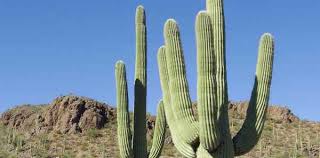
-
0%
Desert
-
0%
Temperate forest
-
0%
Grassland
-
0%
Tropical Rainfroest
Q.53.
Identify the picture
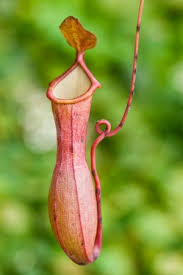
-
0%
sundew
-
0%
Venus flytrap
-
0%
pitcher plant
Q.54.
Tiger belongs to animalie kingdom
-
0%
True
-
0%
False
Q.55.
All plants belong to plantae kingdom
-
0%
False
-
0%
True
Q.56.
Rose plant belongs to the ___________ kingdom
-
0%
Animale
-
0%
Plantae
-
0%
Species
-
0%
Subspecies
Q.57.
What is an adaptation?
-
0%
A behavior that helps an animal survive.
-
0%
The food that animal eats.
-
0%
How energy moves in a food web.
-
0%
How animals evolve throughout time.
Q.58.
What are the two types of adaptation?
-
0%
Camouflage
-
0%
Physical and camouflage
-
0%
Behavior and camouflage
-
0%
Physical and behavior adaptation
Q.59.
The enviroment in which an animal lives is called its
-
0%
adaptation
-
0%
habitat
-
0%
hibernation
-
0%
migration
Q.60.
A giraffe's long neck - used to reach leaves high in trees - is an example of a
-
0%
behavior adaptation
-
0%
physical adaptation
-
0%
learned behavior
-
0%
behavior
Q.61.
Lions, bears, and owls all hunt other animals for their food. They are examples of
-
0%
prey
-
0%
predators
-
0%
children
-
0%
enemies
Q.62.
What are some things that can cause an animal to become extinct?
-
0%
habitat loss
-
0%
disease
-
0%
climate change
-
0%
all of the above
Q.63.
What are the 4 things that living things need to survive?
-
0%
air, food, protection, love
-
0%
food, water, space, air
-
0%
love, protection, air, space
-
0%
protection, water, meat, plants
Q.64.
What is camouflage?
-
0%
Colors or markings to make it look like something else
-
0%
A chemical that is used to defend itself
-
0%
A hard shell or covering
-
0%
Body patterns or coloring that make it hard to see
Q.65.
A resting state through the winter. Adaptation: Bear sleeping in a cave during the winter months
-
0%
Migration
-
0%
Locomotion
-
0%
Adaptation
-
0%
Hibernation
Q.66.
A polar bear has thick fur to keep it warm so it can survive the cold. This is called
-
0%
adaptation
-
0%
camouflage
-
0%
mimicry
Q.67.
How does adaptations help animals?
-
0%
to hide from predators
-
0%
to hunt for food
-
0%
to survive in their habitats
-
0%
All of these are correct
Q.68.
What does it mean to CAMOUFLAGE?
-
0%
when a weak animal copies a stronger animal to warn of predators
-
0%
when an animal is able to change colors to survive in an environment
-
0%
when an animal hibernates
Q.69.
What is MIMICRY?
-
0%
when a weak animal copies stronger animals to warn predators
-
0%
when you are the prey
-
0%
when the animal hides in the cold winter and sleeps until the warm spring
Q.70.
Why would a bunnies fur be brown in the summer and white in the winter?
-
0%
The rabbit likes to change fur color
-
0%
The bunny learned it from his parents
-
0%
The changing of fur color help the bunny blend in with it's surrounding
Q.71.
A chameleon lies next to a large blue flower so predators cannot find it. This is an example of
-
0%
camouflage
-
0%
migration
-
0%
mimicry
-
0%
hibernation
Q.72.
What is Migration?
-
0%
When animals eat what they want
-
0%
When animals travel from one place to another to eat or get away from the cold weather.
-
0%
When animals are taught how to do something.
Q.73.
Choose a physical adaptation examples listed below
-
0%
Birds fly south for the winter
-
0%
A bird has a sharp beak
-
0%
A bear hibernates in the winter
Q.74.
Birds migrate to find food and warmer temperatures.
-
0%
physical adaptation
-
0%
behavior adaptation
Q.75.
A polar bear has white fur to make it harder to see.
-
0%
physical adaptation
-
0%
behavior adaptation
Q.76.
Black bears hibernate during the winter months.
-
0%
physical adaptation
-
0%
behavior adaptation
Q.77.
What is acclimatization?
-
0%
Winter sleep of some organisms
-
0%
The small changes that take place in the body of an organism over a short period, to overcome small problems arising due to changes in its surroundings
-
0%
Feature that helps an organism to survive in a particular type of habitat
Q.78.
What is ecology?
-
0%
Study of the relationship between living things and their environment
-
0%
Everything surrounding and affecting an organism
-
0%
Both
Q.79.
A_has several adaptations to help it survive in a desert
-
0%
Camel
-
0%
Donkey
-
0%
Cat
Q.80.
Animals and plants have certain features which make them to survive in a particular habitat. This is called
-
0%
adaptation
-
0%
speciation
-
0%
specialisation
-
0%
evolution
Q.81.
________ components affects the living organisms found in an area.
-
0%
Biotic
-
0%
Abiotic
-
0%
Organic
Q.82.
Organisms living on land are _____ organisms
-
0%
aquatic
-
0%
arboreal
-
0%
terrestrial
Q.83.
______ have long eyelashes to prevent flying sand to reach their eyes.
-
0%
Camel
-
0%
Rabbit
-
0%
Lion
Q.84.
The surroundings where living organisms live is known as _______
-
0%
Habitat
-
0%
adaptation
-
0%
none
Q.85.
Plants, animals and microorganisms constitute ___________ components
-
0%
biotic
-
0%
abiotic
-
0%
habitat
Q.86.
Plants which grow in deserts .
-
0%
Xerophytes
-
0%
Aerial
-
0%
Mesophytes
-
0%
Hydrophytes
Q.87.
Examples of mesophytes .
-
0%
Cactus
-
0%
Hydrilla
-
0%
Rose
Q.88.
Aquatic animal means......
-
0%
Mountain animals
-
0%
Desert animals
-
0%
Water animals
Q.89.
Which is known as the ship of the desert.
-
0%
Tiger
-
0%
Lion
-
0%
Camel
-
0%
Fish
Q.90.
What is the use of camel's hump.
-
0%
It cools it's body
-
0%
It is fat which provide food to the camel so that it can survive for few days without food .
-
0%
It is useless
Q.91.
What are terrestrial animals.
-
0%
Animals which live in water
-
0%
Animals which live on land
-
0%
Animals which live in deserts
-
0%
Animals that can fly
Q.92.
What are aerial animals .
-
0%
That can fly
-
0%
Which live on mountains
-
0%
Which live on land
-
0%
Which live on desert
Q.93.
Example of mountain animal .
-
0%
Peacock
-
0%
Yak
-
0%
Camel
-
0%
Octopus